How Polyurethane Foam Lifts Concrete
Two-part polymer reaction, expansion behavior, 15-minute set time, load-bearing capacity post-cure. The science behind polyjacking.
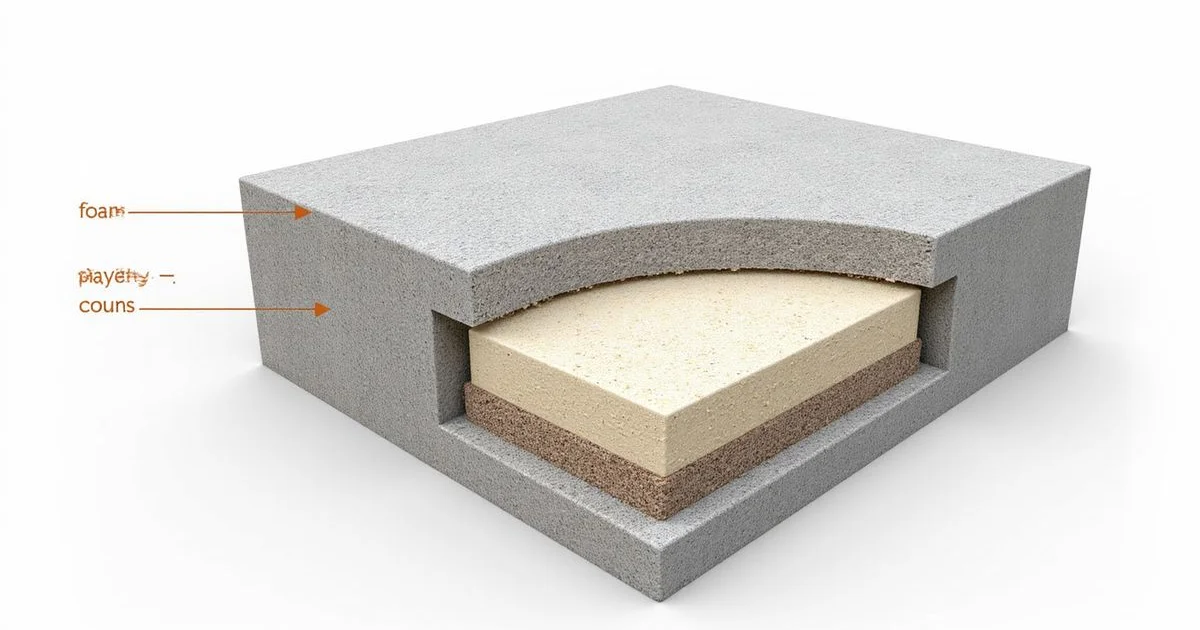
At Concrete Leveling Detroit, we are committed to delivering superior concrete restoration and leveling solutions for residential and commercial clients. That means seeing the frustration sinking concrete causes homeowners across the US every single day.
Many people assume they need a total driveway replacement when a slab drops. The reality is that modern materials offer a much faster fix.
Let’s look at the concrete foam injection science behind polyjacking, what it actually means for your property, and exactly how polyurethane foam lifts concrete in a single afternoon.
Two-part polymer reaction
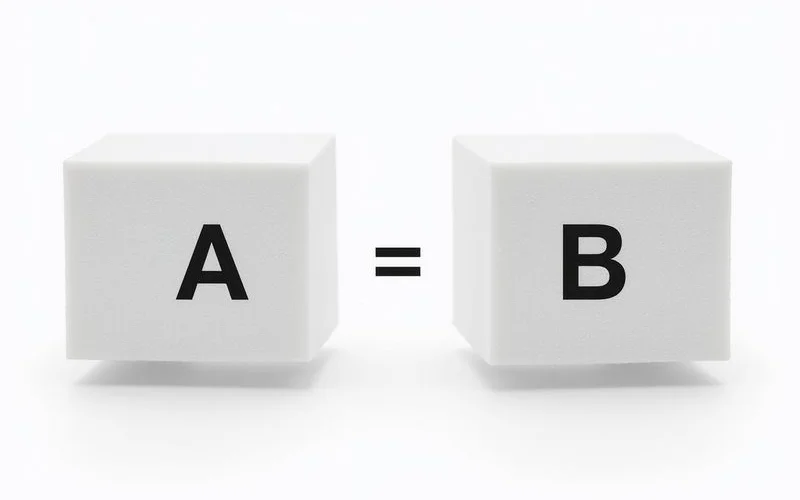
Polyurethane foam is delivered as two separate liquid components that mix precisely at the injection point to begin expanding immediately. We use a petroleum-based isocyanate (Part A) and a polyol resin (Part B).
These two liquids remain stable while separated in the specialized trucks. Our technicians pump them through heated hoses before they combine at the tip of the injection gun.
Cold US weather slows chemical reactions, so the system heats the materials to about 120°F for consistent performance. This targeted temperature control guarantees an immediate reaction the second the liquids touch the soil beneath your slab.
The primary elements of this reaction include:
- Part A (Isocyanate): A petroleum-based hardening agent.
- Part B (Polyol Resin): A mixture containing surfactants and blowing agents.
- Heated Delivery Hoses: Keeps materials at an optimal 110 to 130 degrees Fahrenheit.
- Mixing Tip: The exact point where the chemical reaction begins.
Expansion behavior
The reaction releases gas upon contact, forcing the foam to expand up to 15 to 20 times its initial liquid volume in seconds. This rapid expansion creates the intense upward hydraulic force needed to lift a heavy concrete slab.
Our specialized injection rig allows operators to control both the direction and the pressure of this expansion. The mixture seeks out the path of least resistance beneath the concrete.
Polyurethane foam aggressively pushes into air pockets and loose dirt, filling voids as small as 1/32 of an inch.
| Expansion Metric | Measurement |
|---|---|
| Volume Increase | 15 to 20 times original liquid state |
| Void Penetration | Fills gaps as small as 1/32 of an inch |
| Reaction Time | Begins expanding within 5 to 10 seconds |
| Lift Accuracy | Controllable to within 1/8 of an inch |
We utilize short, controlled injection pulses to prevent raising the concrete too high. Monitoring the surface with precise laser levels ensures a perfectly flush finish, stopping the slab exactly where it needs to be.
15-minute set time
The working time for polyjacking is incredibly brief, offering about 30 seconds of pliability per injection port before the foam begins to harden. The material reaches an initial set and achieves 90 percent of its full structural capacity in just 15 minutes.
Our crews appreciate this speed because it minimizes disruption for the homeowner. You can actually drive a standard 4,000-pound US passenger vehicle on the repaired driveway on the exact same day.
Full curing to absolute maximum working strength takes a few hours. The polyjacking chemistry driving this process is dramatically faster than traditional repair methods.
Curing Time Comparisons
We often explain to customers that pouring fresh concrete requires a mandatory 28-day waiting period for a complete cure. Mudjacking slurry also demands 24 to 48 hours of drying time before it can handle foot traffic. The rapid set time of modern foams eliminates these long waiting periods entirely.
Load-bearing capacity post-cure
High-density polyurethane reaches tens of thousands of pounds per square foot of compressive strength after curing completely. A standard 4-pound density foam achieves around 100 PSI, which translates to a massive 14,400 pounds per square foot of support.
This strength is more than enough to carry typical vehicle traffic, heavy forklifts, and even commercial truck loads. We rely on this high-density formulation because it permanently stabilizes the ground beneath the concrete.
A major advantage of this material is its incredibly light weight. Our standard polyurethane weighs only 2 to 4 pounds per cubic foot.
Industry Fact: While heavy cement slurry from traditional mudjacking weighs upward of 100 pounds per cubic foot, high-density polyurethane weighs just 2 to 4 pounds. This extreme difference prevents weak US soil from compressing a second time under the added mass.
Why 3/8-inch ports are sufficient
Small 3/8-inch or 5/8-inch injection ports are completely sufficient because the material expands rapidly, allowing a tiny entry point to deliver a massive volume of cured foam. Modern manufacturer-certified rigs deliver this material at a calibrated pressure to spread it evenly across the hidden voids.
Our teams prefer these dime-sized holes because they blend perfectly into the concrete once patched. Traditional mudjacking requires 1.5-inch to 2-inch holes, which are roughly the size of a soda can.
Heavy slurry does not expand on its own, so it must be aggressively force-pumped through those large holes to reach distant corners. The advanced expansion mechanics of polyurethane eliminate the need for such destructive drilling.
For specific service details and operational steps, please see our polyurethane foam injection page and our comprehensive polyurethane foam lifespan guide.
Our team is ready to evaluate your sinking concrete. Request a free estimate to get started.
Common Questions
Quick answers from our Metro Detroit crew.
Is the foam toxic?
How much can foam lift?
More from this topic
Best Applications for Polyjacking (Where Foam Wins)
Interior slabs, weight-sensitive bases, pool decks — where foam beats traditional mudjacking. When to choose limestone slab-jacking instead.
Polyurethane Foam Lifespan: What to Expect
Material durability, water and chemical resistance, factors that affect lifespan, and our written warranty terms.
Have a slab to lift? Let's take a look.
Free, no-obligation on-site estimate. If we can't fix it, you don't pay.