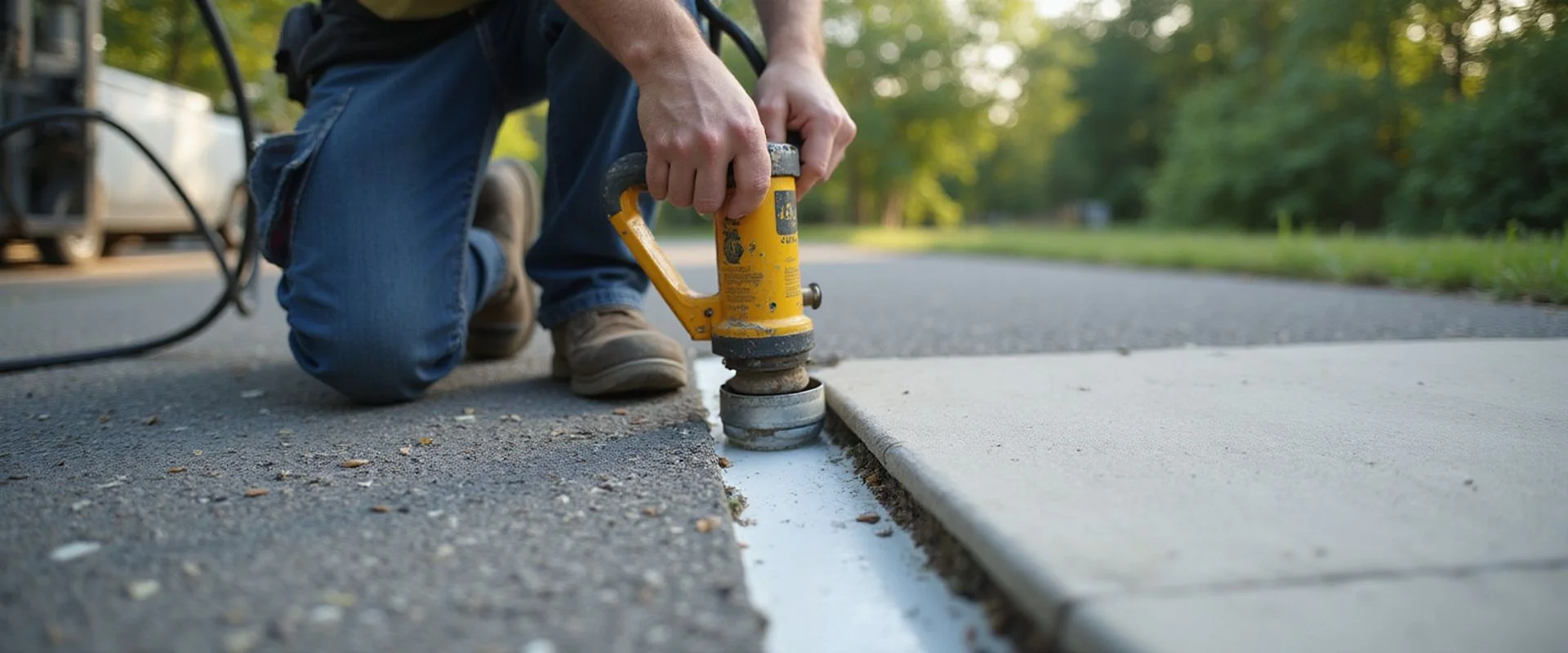
Stop Freeze-Thaw Damage Before It Costs You a Slab
Flexible polyurethane joint sealant and crack filling (grinding and surface prep included) for residential driveways and commercial parking lots.
What is Joint Sealing?
Open joints let water in. In Michigan, that water freezes, expands, and cracks the slab from beneath. Our joint-sealing process grinds the old material out, places backer rod, and lays a flexible polyurethane bead that flexes with the slab year over year. Residential driveways, commercial parking lots, and warehouse control joints.
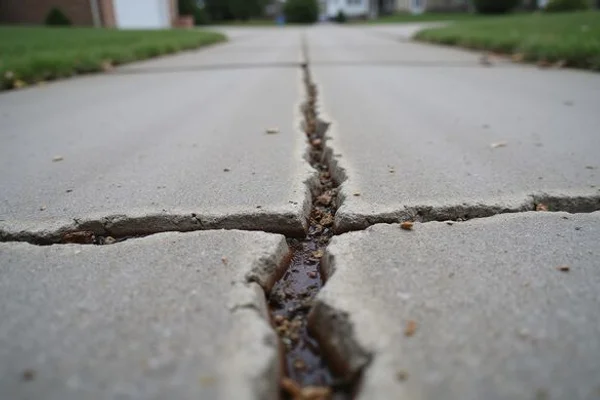
Have you noticed new cracks creeping across your driveway after a rough winter?
At Concrete Leveling Detroit, we have spent years helping homeowners fix sunken driveways, cracked patios, and unlevel pool decks. A simple maintenance step often gets overlooked.
Our team knows that concrete joint sealing and caulking makes a massive difference in how long your surfaces last. Let me walk you through exactly how to protect your investment.
Why Michigan slabs need joint sealing
We see the damage caused by open gaps every single spring. Water slips into these spaces, freezes during Michigan winters, and expands to crack the slab from beneath.
Our crew knows that Detroit experiences roughly 40 of these damaging freeze-thaw cycles every year. Freezing water actually expands by 9% in volume, creating intense pressure under the surface.
We want to help you avoid that massive force destroying your property. Expansion joints and internal control joints are designed to give the slab somewhere to flex safely. The sealant in those gaps does fail over time. Water gets right back in once that barrier breaks down.
We recommend a regular reseal cycle of 5 to 10 years to keep your slab completely dry. This simple habit stops freeze-thaw damage in its tracks. Replacing a driveway in 2026 easily averages $8 to $12 per square foot. You will dramatically extend the life of your slab at just a fraction of that replacement cost.
What our joint sealing process includes
We follow a strict, multi-step method to ensure your new seal lasts for years. Doing the job right requires specific tools and high-quality commercial materials.
Our crew never cuts corners on preparation. Proper prep is the single biggest factor in preventing premature failure.
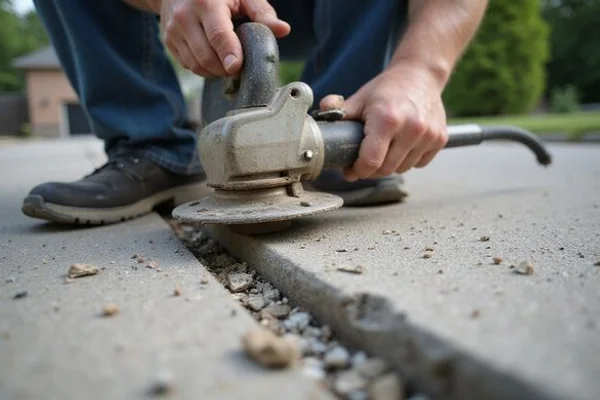
- Grinding: We mechanically grind out the old sealant using a specialized V-blade diamond wheel. The new bead will not bond if this step is skipped, and the seal will fail fast.
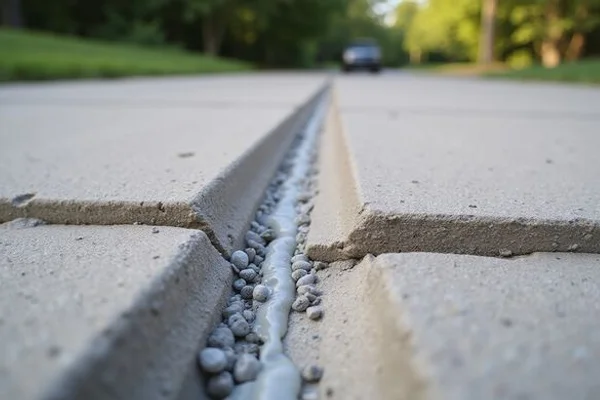
- Backer rod: Sized backer rod controls the joint depth and fully supports the bead. Skipping this closed-cell polyethylene foam insert is a common shortcut that ruins adhesion.
- Polyurethane (or polyurea) bead: Our go-to product for residential projects is polyurethane, which takes about 24 to 48 hours to cure. Polyurea cures in just 15 to 30 minutes, making it perfect for heavy commercial, warehouse, and chemical exposure environments.
We have detailed resources available if you want to learn more about the exact techniques used. For more on the process, see our why joint sealing prevents freeze-thaw damage guide, concrete caulking process step by step, and how often to reseal concrete joints.
Residential, commercial, and industrial scope
We handle projects of all sizes across the Metro Detroit area. The exact price always depends on the total linear footage and the condition of the existing gaps.
Our quotes are completely transparent and designed to give you the best value. Take a look at the typical price ranges for these services:
- Residential driveways: Expect $500 to $1,500 for typical Metro Detroit driveways.
- HOA and small commercial: Neighborhood sidewalks or shared spaces usually run $1,000 to $3,500.
- Warehouse and parking lot control joints: Larger commercial spaces cost $3,500 to $8,000+ depending heavily on linear footage.
We frequently pair joint sealing with our specialized foam leveling work. This is an incredibly common combination on aging Wayne and Macomb County driveways.
Our team often sees how clay-heavy soils in these specific areas trap moisture, causing the slab to settle. Addressing both the sinking slab and the open gaps at the same time is the smartest move.
Ready to protect your concrete?
We know that protecting your property from water damage does not have to be stressful. Proper concrete joint sealing and caulking keeps your driveway, patio, or pool deck looking great and functioning perfectly.
Our specialists are always ready to help you evaluate your surfaces and find the best solution. Reach out today for a free estimate, and get your concrete ready for whatever the weather brings.
How Joint Sealing works in Metro Detroit
Joint walk and measure
We measure linear footage of expansion and control joints, document existing condition.
Grind out old material
Mechanical grinding removes failed sealant and prepares the joint walls for adhesion.
Place backer rod
Sized backer rod controls joint depth and supports the new sealant bead.
Lay polyurethane bead
Flexible polyurethane (or polyurea on commercial) bead flexes with slab movement year over year.
Recent Joint Sealing projects
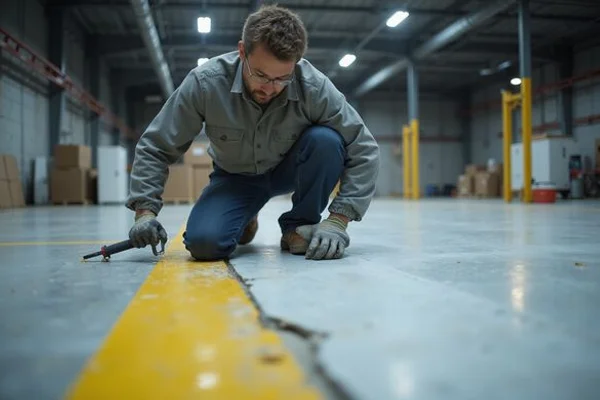
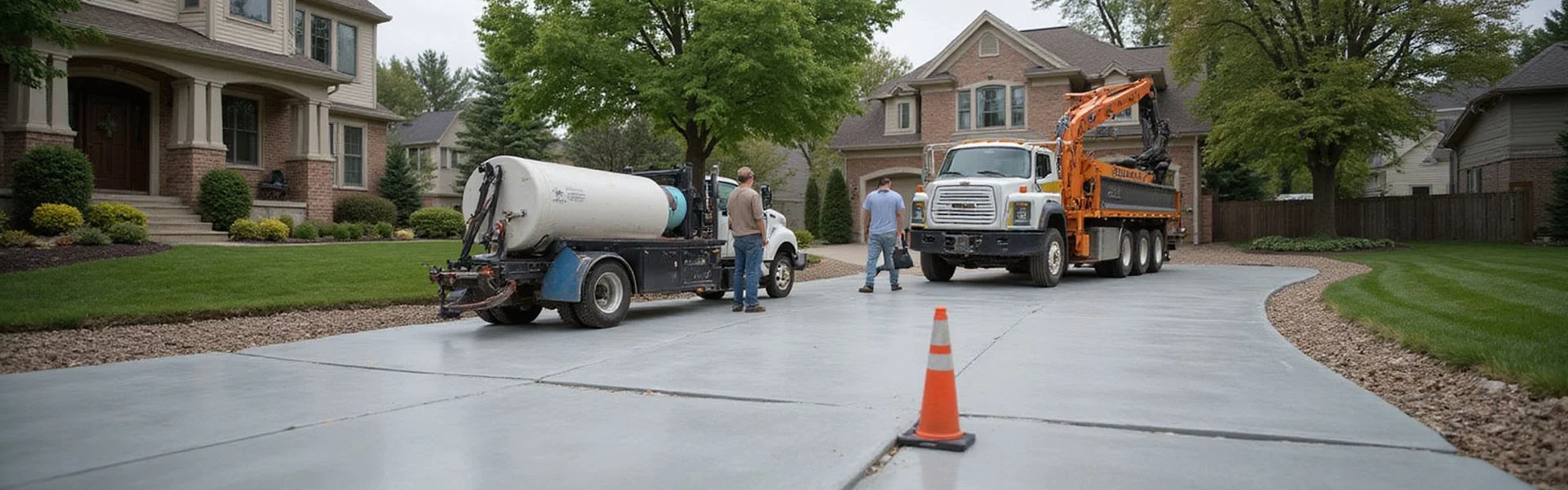
Ready for Joint Sealing?
Free, no-obligation on-site estimate. No Fix, No Charge guarantee.
What Metro Detroit customers say about our work.
"Joint sealing on our warehouse floor in Livonia. They scheduled around our shift, finished overnight, and we never lost an hour of operations. Five stars."
Related Services
Driveway Leveling
Raise and stabilize sunken concrete driveways in Metro Detroit using our minimally invasive slab-jacking process.
Commercial Concrete Leveling
B2B concrete leveling for parking lots, warehouse floors, airport access areas, and ADA-compliant transitions across Metro Detroit.
Sidewalk & Walkway Leveling
Lift uneven sidewalks and walkways back to grade, eliminating trip hazards and ADA non-compliance in residential and commercial settings.
Related guides for Joint Sealing
How Often Should Concrete Joints Be Resealed?
Typical 5-10 year reseal cycle. Factors that shorten it (climate, traffic), inspection checklist, and signs it's time. Free assessments.
The Concrete Caulking Process Step-by-Step
Grinding, backer-rod, polyurethane bead, cure. The 4-step concrete caulking process for Metro Detroit driveways and parking lots.
Why Joint Sealing Prevents Freeze-Thaw Damage
Freeze-thaw cycle physics, water infiltration, capillary action — and how flexible polyurethane joint sealant stops the damage cycle.
Joint Sealing FAQ
Common questions about this service.
How often do concrete joints need resealing?
Why is grinding included?
Do you handle commercial and warehouse joints?
Will sealing my joints stop my driveway from sinking?
Ready to fix your Joint Sealing problem?
Free on-site estimate across Wayne, Macomb, and Oakland counties. No Fix, No Charge guarantee — if we can't fix it, you don't pay.