Why Pavers Need Polymeric Sand Sealing
What polymeric sand does, weed and ant prevention, reseal interval, and signs it's time. Metro Detroit paver restoration.
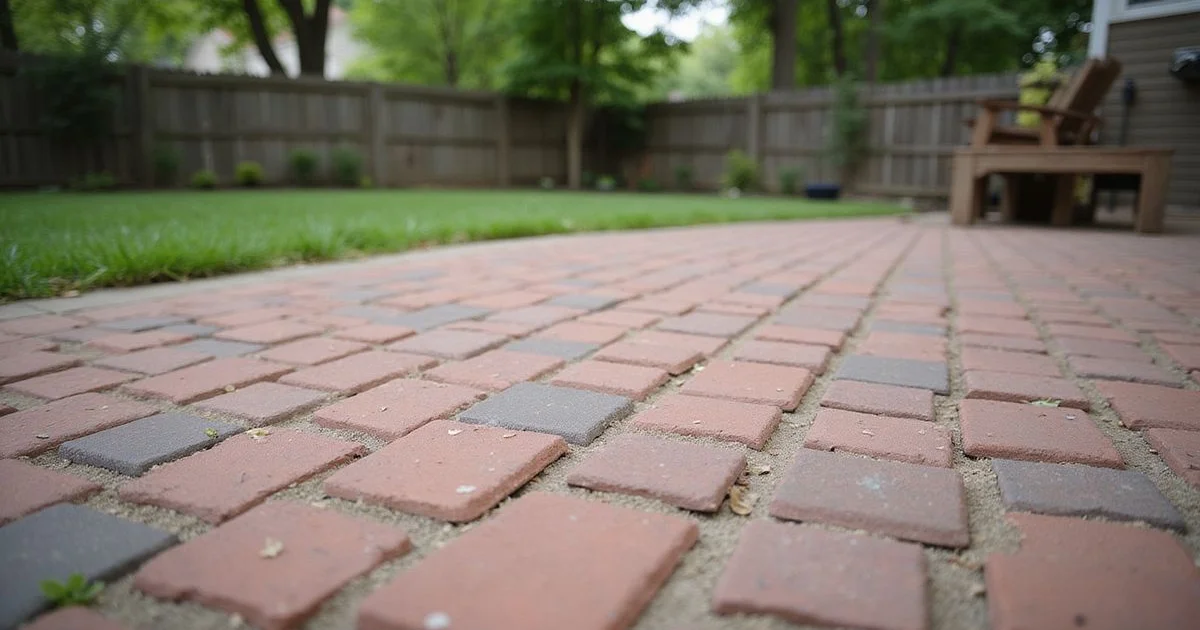
You know how quickly a beautiful patio starts looking neglected when the joint material washes away without a proper paver polymeric sand sealing.
Concrete Leveling Detroit is committed to delivering superior concrete restoration and leveling solutions for residential and commercial clients.
We see failing hardscapes across the US every single day.
The dividing line between a lasting driveway and a constant paver maintenance headache is usually the joint sand.
Pavers without this protection are pavers waiting to fail.
Our team is going to break down the science behind these products and walk through the exact benefits they provide.
Let’s look at the data and explore a few practical ways to protect your investment.
What polymeric sand does
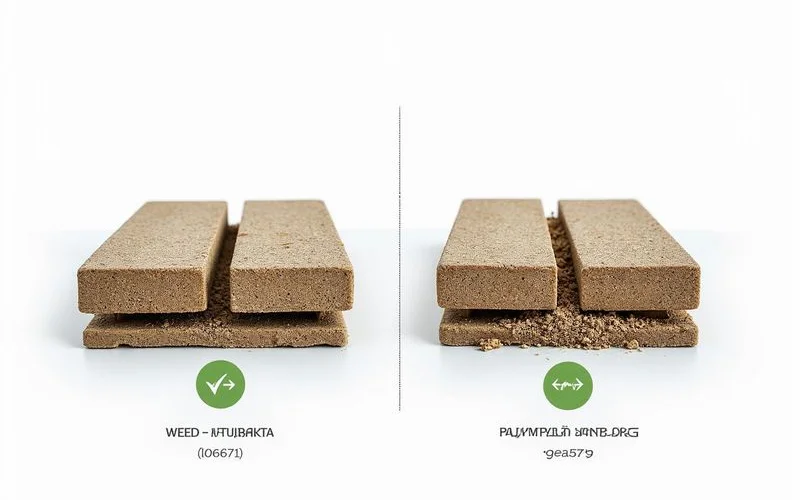
Polymeric sand is regular joint sand mixed with a water-activated polymer binder that hardens to lock pavers firmly in place.
Our crews frequently use top-tier US brands like Alliance Gator Maxx G2 and Techniseal HP NextGel to achieve this rock-solid finish.
This creates a tight matrix that stabilizes the surface and prevents erosion.
The Interlocking Concrete Pavement Institute strongly recommends these polymer blends over fine dry sweeping sand for long-term stability.
We have found that properly activated polymer joints can withstand water pressure up to 80 psi without washing out.
These premium sands cost a bit more upfront but pay off by drastically reducing maintenance needs.
The result is a surface that performs completely differently than loose sand.
Our clients love how the stabilized joints hold up during heavy storms.
- Joints stay put because the sand avoids washing out or eroding during heavy rain.
- Water gets blocked as the bound sand sheds moisture instead of letting it seep through to the base.
- We appreciate that pavers resist shifting under heavy foot or vehicular traffic.
- Flexibility is maintained since the polymers allow for slight expansion during freeze-thaw cycles without cracking.
Weed prevention vs. regular joint sand
Regular silica sand remains loose and provides a perfect bed for weed seeds to root, while polymeric sand hardens to block plant growth entirely.
We regularly see homeowners spend hours pulling weeds from standard sand joints.
Weeds simply cannot penetrate the bonded matrix of a cured polymer joint.
Once weed seeds germinate in loose silica, you face months of constant yard work.
Our restoration projects often start by pressure washing out that old weed-infested silica.
The rigid surface of polymeric sand denies seeds the soil contact they need to survive.
Replacing it with a high-quality polymer blend cuts future maintenance time down to almost zero.
We recommend reviewing a quick comparison before making a final decision.
| Feature | Regular Joint Sand | Polymeric Sand |
|---|---|---|
| Weed Resistance | Minimal to none | Excellent, blocks roots |
| Water Erosion | Washes out easily | Highly water-resistant |
| Maintenance | Requires frequent weeding | Very low upkeep |
| Initial Cost | Budget-friendly | Higher upfront investment |
Ant prevention
Pavement ants tunnel through loose joint sand to build nests, but polymeric sand blocks their excavation efforts completely.
After applying a polymeric sealant, ant activity drops dramatically because the hardened surface prevents them from moving the sand.
We often find Tetramorium immigrans, the common US pavement ant, causing significant damage under unsealed walkways.
These insects create extensive underground networks that displace the supporting base material.
This tunneling eventually leads to several frustrating property issues.
Our technicians have tracked ant foraging trails up to 30 feet away from the actual colony.
- Uneven surface settlement creates annoying tripping hazards.
- New water infiltration pathways form under concrete slabs.
- We frequently repair loose paving stones that rock when stepped on.
A solid polymer joint stops pests from establishing a beachhead near your home.
Reseal interval
A standard paver sealing job using polymeric sand typically lasts between three and five years.
We recommend checking your joints annually to monitor the wear and tear.
This lifespan depends heavily on sunlight exposure, daily traffic, and your local climate.
High-traffic areas like driveways might need a fresh coat every one to two years.
Our current pricing data shows professional sealing in the US averages between $0.75 and $3.00 per square foot.
Patios and garden paths experience less friction and can easily stretch to that five-year mark.
Several environmental factors accelerate how quickly this protective barrier breaks down.
- We see sun exposure and UV degradation slowly break down the surface polymers over the years.
- Heavy traffic grinds down the top layer through constant vehicle friction and mechanical wear.
- Road salt exposure accelerates deterioration during winter months.
- We strongly advise using proper-pressure cleaning methods to avoid blasting the sand out of place.
Signs it’s time for paver polymeric sand sealing
Visible joint sand loss and the return of weeds are the most obvious indicators that your patio needs a polymeric sand reseal.
You will also notice the pavers starting to shift under foot traffic as the binding agent fails.
Our teams look for joint depths dropping below the optimal 1/8-inch mark relative to the paver surface.
Ant mounds appearing in the cracks are another clear warning sign.
Catching these symptoms early prevents the need for a complete patio tear-out.
We usually suggest performing a simple water test to see if the surface still repels moisture.
If the water soaks right in, the protective barrier is gone.
Here are the main warning signs to watch for.
- We advise checking for visible joint sand loss that creates distinct gaps between pavers.
- Weeds returning and establishing deep roots between stones signal a failing joint.
- Small mounds of dirt indicate active ant tunneling.
- We look out for pavers shifting, rocking, or settling unevenly under foot traffic.
- Joint depth increasing drastically relative to the top surface means it is time for maintenance.
Restoring your hardscape with proper paver polymeric sand sealing is an investment that protects your property value.
We know exactly what it takes to bring a sunken driveway back to life.
It saves you hours of manual labor every single season.
For more on the full restoration process, see our paver cleaning and sealing service.
We are ready to help you map out the perfect solution.
Do not wait until the damage requires a complete replacement.
Schedule your project today and request a free estimate.
Common Questions
Quick answers from our Metro Detroit crew.
How long does polymeric sand last?
Will it stop weeds completely?
Have a slab to lift? Let's take a look.
Free, no-obligation on-site estimate. If we can't fix it, you don't pay.