How Long Does a Leveled Driveway Last?
10+ years is typical. See what affects lifespan: sub-soil, drainage, traffic, sealing. Plus what our written warranty covers.
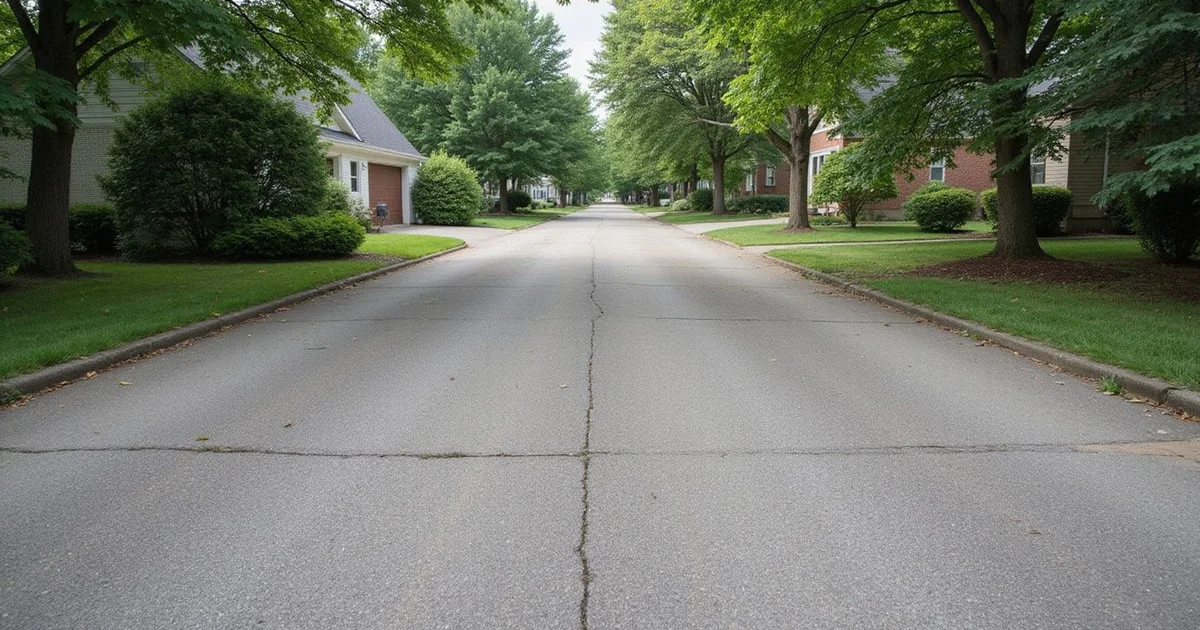
You have probably noticed that replacing a sunken driveway isn’t just expensive, it is incredibly disruptive. We hear from homeowners every day who want a permanent fix without the mess of a full tear-out.
If you are wondering how long does driveway leveling last, the answer is highly encouraging.
Properly leveled with stable sub-soil and good drainage, most Metro Detroit driveways easily last 10 or more years before needing a touch-up. Some of these restored slabs even hold strong for over two decades.
Let’s break down the exact data behind concrete lifting durability, look at what causes failure, and explore the four practical factors that determine your leveled concrete lifespan. For the full process behind the repair, see our driveway leveling service overview.
1. Sub-soil stability
Sub-soil stability is the single biggest factor in your concrete’s lifespan, determining whether a lift holds for a decade or drops within a year. We always prioritize void inspection and filling to ensure the slab stays permanently locked in place. Addressing only the symptom without fixing the underlying soil weakness guarantees that settling will resume within a few seasons.
Our process uses a specialized limestone-foam hybrid and high-density polyurethane material. This structural foam typically ranges from 2.5 to 3.5 pounds per cubic foot in density for residential applications.
We find this provides 40 to 60 PSI of compressive strength, delivering more than enough support for standard passenger vehicles.
This material will never degrade in wet soil.
2. Drainage management
Effective drainage management stops the washout that ruins leveled concrete, adding years to your driveway’s life. We always look for active leaks from sprinklers or misplaced downspouts during our initial assessment. Even a perfectly leveled slab will inevitably settle again if water continues to undercut the foundation.
You need to move water a safe distance away from the concrete edges. We recommend running downspout extensions at least 5 to 10 feet away from your driveway and foundation. Splashing water right at the edge of the slab erodes the dirt underneath and creates massive hydrostatic pressure. Our team frequently suggests adding a few simple modifications to keep that base completely dry:
- Downspout extensions routed 10 feet away
- Splash blocks placed under short spouts
- Re-graded landscaping pitched away from the concrete
Proper grading forces rainwater to flow away safely.
3. Traffic and load
The daily traffic and weight load on your driveway directly dictates how long the leveling job will survive. Our residential clients typically enjoy a “set it and forget it” lifespan, while heavy commercial use often requires a 5 to 7 year maintenance cycle. Residential cars and light SUVs cause very minimal stress on a properly supported slab.
The standard residential driveway is poured 4 inches thick. This thickness is engineered to support typical vehicles weighing between 3,000 and 6,000 pounds. We constantly warn homeowners against parking heavy recreational vehicles or delivery trucks on standard slabs. A large RV can easily weigh 15,000 to 30,000 pounds, which actually requires 6 to 8 inches of concrete thickness. Parking that much weight on a standard driveway accelerates wear and forces the joints to fail prematurely.
| Vehicle Type | Average Weight | Required Concrete Thickness |
|---|---|---|
| Passenger Car / Light SUV | 3,000 - 6,000 lbs | 4 inches (Standard) |
| Delivery Truck | 10,000 - 15,000 lbs | 5 - 6 inches |
| Large RV / Motorhome | 15,000 - 30,000+ lbs | 6 - 8 inches |
4. Joint sealing
Maintaining sealed joints is the single most cost-effective preventive step you can take to protect your leveled driveway. We tell every customer that blocking water entry stops the brutal freeze-thaw cycle that drives sub-base washout. You should plan to reseal these joints every 5 to 10 years to maintain optimal protection.
Water expands by about 9 percent in volume when it freezes inside concrete pores. Our local climate features extreme temperature swings that force unsealed concrete to crack from the inside out. High-quality materials are essential for stopping this damage. We highly recommend using a premium, flexible polyurethane or silicone-based sealant like NexusPro. These advanced materials resist harmful UV rays and stay flexible enough to handle Michigan’s seasonal expansion and contraction.
For more on sealing, see our joint sealing service and why joint sealing prevents freeze-thaw damage guide.
Our written warranty
Every single leveling job includes a comprehensive written warranty against settling under normal use. Our team at Concrete Leveling Detroit wants you to feel completely confident in the durability of your restored driveway. Specific terms are clearly outlined in your customized quote, ensuring you know exactly what to expect.
These standard warranty terms generally cover a 5-year period for high-density polyurethane foam applications. We stand behind our work and are fully committed to your long-term satisfaction. The specific paperwork always clearly outlines the exact protections you receive.
The warranty agreement includes the following key provisions:
- Warranty period (varies by specific job type and material used)
- Coverage scope (protects against natural settling only, excluding damage from new water leaks or heavy excavation)
- Free re-leveling service if settling reoccurs under any of the covered conditions
What shortens lifespan
Certain environmental factors and homeowner habits will actively shorten the lifespan of your newly leveled driveway. We have identified several common pitfalls that reverse the benefits of our lifting process. Avoiding these mistakes ensures your concrete remains stable for decades.
The most common issues that cause premature failure include:
- A new sprinkler or plumbing leak that washes away the sub-soil after the lift
- Heavy excavation work right next to the slab edge
- Removal or natural degradation of joint sealant without prompt re-sealing
- Severe new freeze-thaw events striking unprotected joints
- Heavy application of road salt, which acts like a sponge to draw extra moisture into the concrete pores and accelerates freeze-thaw damage
For most Metro Detroit homeowners, none of these worst-case scenarios ever happen. Our properly leveled driveways frequently end up outlasting the original concrete installation. Understanding how long does driveway leveling last gives you the confidence to repair rather than replace.
If you are ready to fix your sinking concrete for good, Request a free estimate.
Common Questions
Quick answers from our Metro Detroit crew.
What if it sinks again?
Does sealing actually help?
More from this topic
Cracked vs. Sunken Driveway: Choosing the Right Fix
Hairline crack? Through crack? Settling? Diagnose your Metro Detroit driveway and pick the right repair: leveling, joint sealing, or replacement.
The Driveway Leveling Process Step-by-Step
Walk through a real Detroit driveway leveling job: assess, drill, inject, patch, drive on it tonight. 4 steps, 2-6 hours, no demolition.
Driveway Leveling vs. Driveway Replacement
Cost gap, downtime, and when replacement is the right call. Plus how to handle a driveway with both surface cracks AND settling.
Have a slab to lift? Let's take a look.
Free, no-obligation on-site estimate. If we can't fix it, you don't pay.